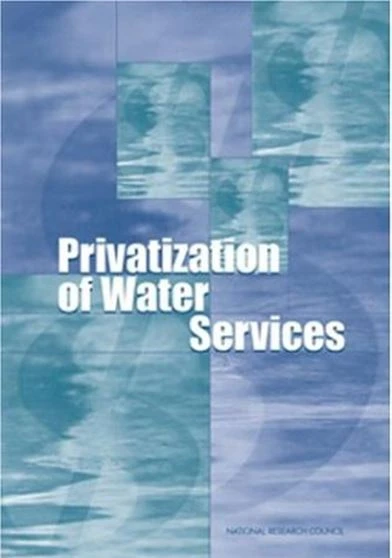
Privatization of Water Services in the United States
مجاني
american studies
اختر الصيغة:

وصول فوري
اقرأ عبر الإنترنت فورًا

اقرأ في أي مكان
على أي جهاز، في أي وقت

محتوى موثوق
إصدارات رسمية موثّقة

وصول مدى الحياة
ملكك إلى الأبد
In the quest to reduce costs and improve the efficiency of water and wastewater services, many communities in the United States are exploring the potential advantages of privatization of those services. Unlike other utility services, local governments have generally assumed responsibility for providing water services. Privatization of such services can include the outright sale of system assets, or various forms of public-private partnerships - from the simple provision of supplies and services, to private design construction and operation of treatment plants and distribution systems. Many factors are contributing to the growing interest in the privatization of water services. Higher operating costs, more stringent federal water quality and waste effluent standards, greater customer demands for quality and reliability, and an aging water delivery and wastewater collection and treatment infrastructure are all challenging municipalities that may be short of funds or technical capabilities. For municipalities with limited capacities to meet these challenges, privatization can be a viable alternative. "Privatization of Water Services" evaluates the fiscal and policy implications of privatization, scenarios in which privatization works best, and the efficiencies that may be gained by contracting with private water utilities.
| الصفحات | 158 |
|---|---|
| اللغة | ar |
| تاريخ النشر | مارس 2020 |
| بقلم | المجلس القومي للبحوث |
يجب تسجيل الدخول لكتابة مراجعة.
تسجيل الدخول